
Hallitus esittää työnhaun palveluprosessin keventämistä sekä joustoa työvoimapalvelujen siirtoon kunnille

Hallitus antoi eduskunnalle 18.4.2024 esityksen, jonka tavoitteena on hallitusohjelman mukaisesti asiantuntijan harkintavallan lisääminen työnhakijan palveluprosessissa. Lisäksi hallitus esittää sujuvoittavia muutoksia liittyen kunnille siirtyvien työvoimapalveluiden järjestämiseen.
Työolobarometri 2023: tukea jatkuvaan oppimiseen tarvittaisiin työpaikoilla enemmän
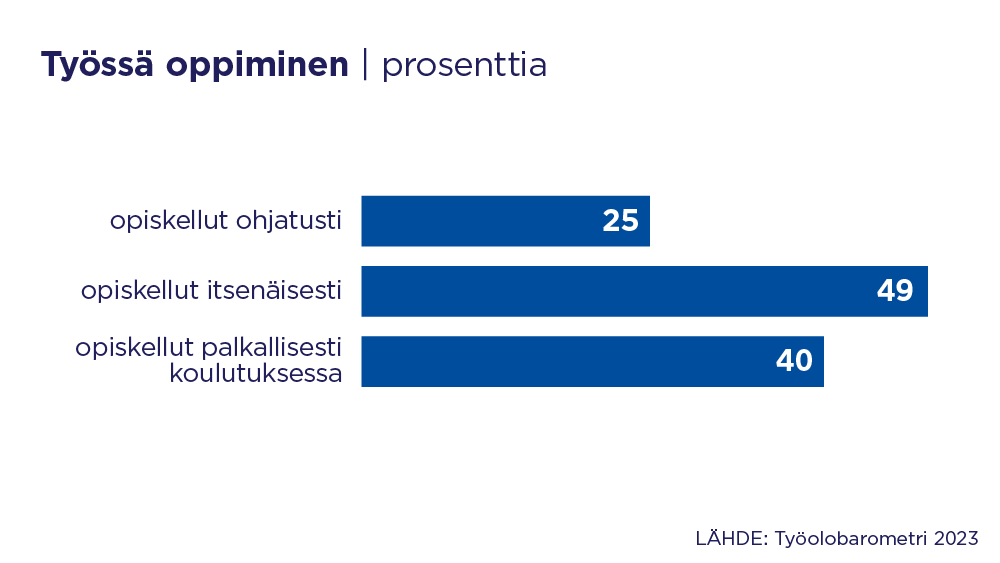
Työolobarometrin mukaan vuonna 2023 lähes kolme neljännestä työntekijöistä piti hyvinä mahdollisuuksiaan sovittaa yhteen työ ja muu elämä. Sen sijaan osaamisen kehittämisessä on työpaikoilla paljon parannettavaa.
Uusi aika, uusi mineraalistrategia
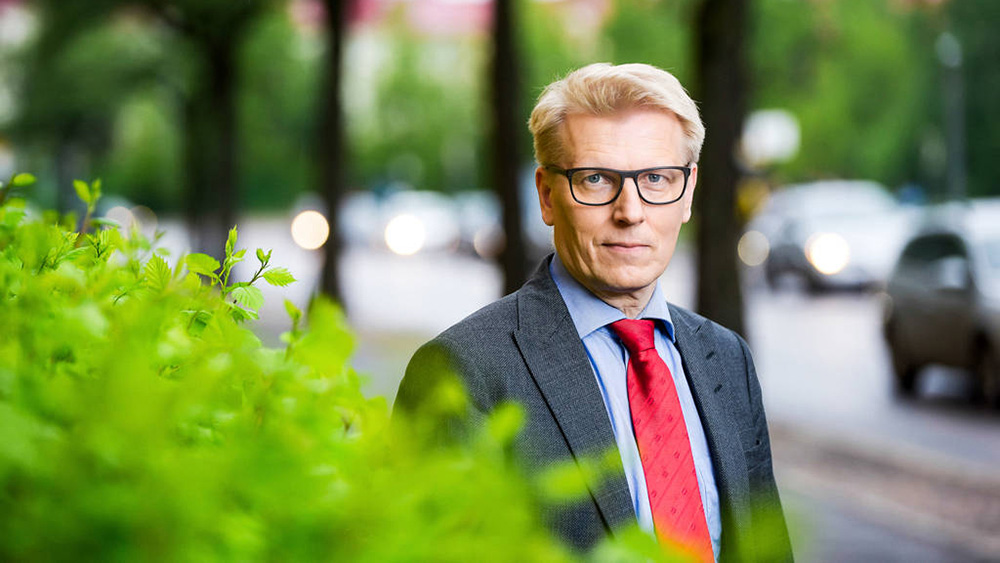
Mineraalien kasvava tarve energiasiirtymän, digitalisaation ja puolustusteknologian tarpeisiin on noussut ennen näkemättömällä tavalla keskusteluun ympäri maailman.
Toimialaraportti: Toimintaympäristö haastaa edelleen matkailualan kasvua

Matkailualan yritysten liikevaihto vuonna 2022 saavutti lähes koronapandemiaa edeltäneen tason. Kun liikevaihdosta poistetaan hintojen nousun vaikutus, kasvu jää vähäisemmäksi. Matkailijoiden yöpymismäärä ylitti pandemiaa edeltäneen tason vuonna 2023, vaikka ulkomaisten matkailijoiden yöpymiset jäivät edelleen noin 20 prosenttia jälkeen vuodesta 2019. Yöpymismäärällä mitattuna Lappi on elpynyt maakunnista nopeimmin ja Etelä-Karjala puolestaan hitaimmin johtuen venäläismatkailijoiden poissaolosta.
Energiainfrastruktuurihankkeiden RRF-investointitukea haettavissa 15.5. asti


Suomen elpymis- ja palautumissuunnitelman (RRP) mukaisten energiainfrastruktuurihankkeiden investointitukihaku on avattu. Haku on avoinna 15.5.2024 saakka. Tukea voivat hakea yritykset ja yhteisöt hankkeisiin, joiden hyväksyttävät kustannukset ovat yli viisi miljoonaa euroa. Tukea hyväksyttäville hankkeille on käytettävissä yhteensä noin 35 miljoonaa euroa.

TE-palvelut 2024 -uudistus

TE-palvelujen järjestämisvastuu siirtyy kunnille 1.1.2025. Tavoitteena on palvelurakenne, joka edistää parhaalla mahdollisella tavalla työntekijöiden nopeaa työllistymistä.
TE-palvelut 2024 -uudistuksen verkkosivut
Yritystukien tietopalvelu


Yritystukien julkinen tietopalvelu sisältää tiedot myönnetyistä ja maksetuista tuista y-tunnuksittain. Tarkoituksena on tehostaa yritystukien läpinäkyvyyttä ja seurantaa sekä antaa tietoa tukien kohdentumisesta ja kehittymisestä.
Suomen kestävän kasvun ohjelma


Suomen kestävän kasvun ohjelma vauhdittaa kilpailukykyä, investointeja, osaamistason nostoa sekä tutkimusta, kehitystä ja innovaatioita. Sivuillemme on koottu tietoa TEM:n hallinnonalan rahoituskohteista mm. yrityksille suunnatuista hauista.
 Kotoutuminen.fi
Kotoutuminen.fi-verkkopalvelu kertoo kotoutumisesta ja pakolaisten vastaanotosta erityisesti työssään maahanmuuttaneita kohtaaville.
 Yt-asiamies.fi
Yt-asiamies.fi –sivustolla on kattava tietopaketti yhteistoiminnasta työpaikoilla sekä yhteistoiminta-asiamiehen toiminnasta.
 Rakennerahastot.fi
Rakennerahastot.fi on EU:n alue- ja rakennepolitiikan ohjelmien verkkopalvelu.
 SpaceFinland.fi
SpaceFinland.fi-verkkosivusto esittelee suomalaisia avaruusalan yrityksiä ja tutkimusta sekä Suomen avaruushallintoa.
 Kirjanpitolautakunta
Kirjanpitolautakunta.fi-sivustolta löydät työ- ja elinkeinoministeriön yhteydessä toimivan kirjanpitolautakunnan yleisohjeita ja lausuntoja.
 TalentBoost.fi
Talent Boost -ohjelma edistää kansainvälisten osaajien houkuttelua, maahanmuuttoa ja Suomeen juurtumista. Sivusto on suunnattu kaikille osaajien maahanmuuton parissa työskenteleville ympäri Suomen.



Arto Satonen
Työministeri
Wille Rydman
Elinkeinoministeri
Kai Mykkänen
Ympäristö- ja ilmastoministeri
Mari Rantanen
Sisäministeri