
Yhteysviranomaiselta lausunto OL1- ja OL2-laitosyksiköiden käyttöiän jatkamista ja lämpötehon korottamista koskevasta YVA-ohjelmasta

Työ- ja elinkeinoministeriö antoi 25.4.2024 yhteysviranomaisen lausunnon Teollisuuden Voima Oyj:n Olkiluodon OL1- ja OL2-laitosyksiköiden käyttöiän jatkamista ja lämpötehon korotusta koskevasta YVA-ohjelmasta. TVO toimitti 5.1.2024 ministeriöön ohjelman, joka käynnisti hanketta koskevan ympäristövaikutusten arviointimenettelyn.
Sote-palvelualan uudistamisessa tulisi säästöjen rinnalla huomioida myös kasvun mahdollisuudet


Sote-palvelut ovat suuressa muutoksessa taloudellisen kestävyyden, palvelutarpeen kasvun ja henkilöstön riittävyyden vuoksi. Hyvinvointialueiden ja kansalliset uudistustoimet muuttavat sote-palvelujen tuottamisen tapoja esimerkiksi lisäämällä digitaalisia palveluja. Julkisella sektorilla tehtävät päätökset vaikuttavat myös sote-palvelualan yrityksien liiketoimintaympäristöön.
Työttömiä työnhakijoita maaliskuussa 286 100
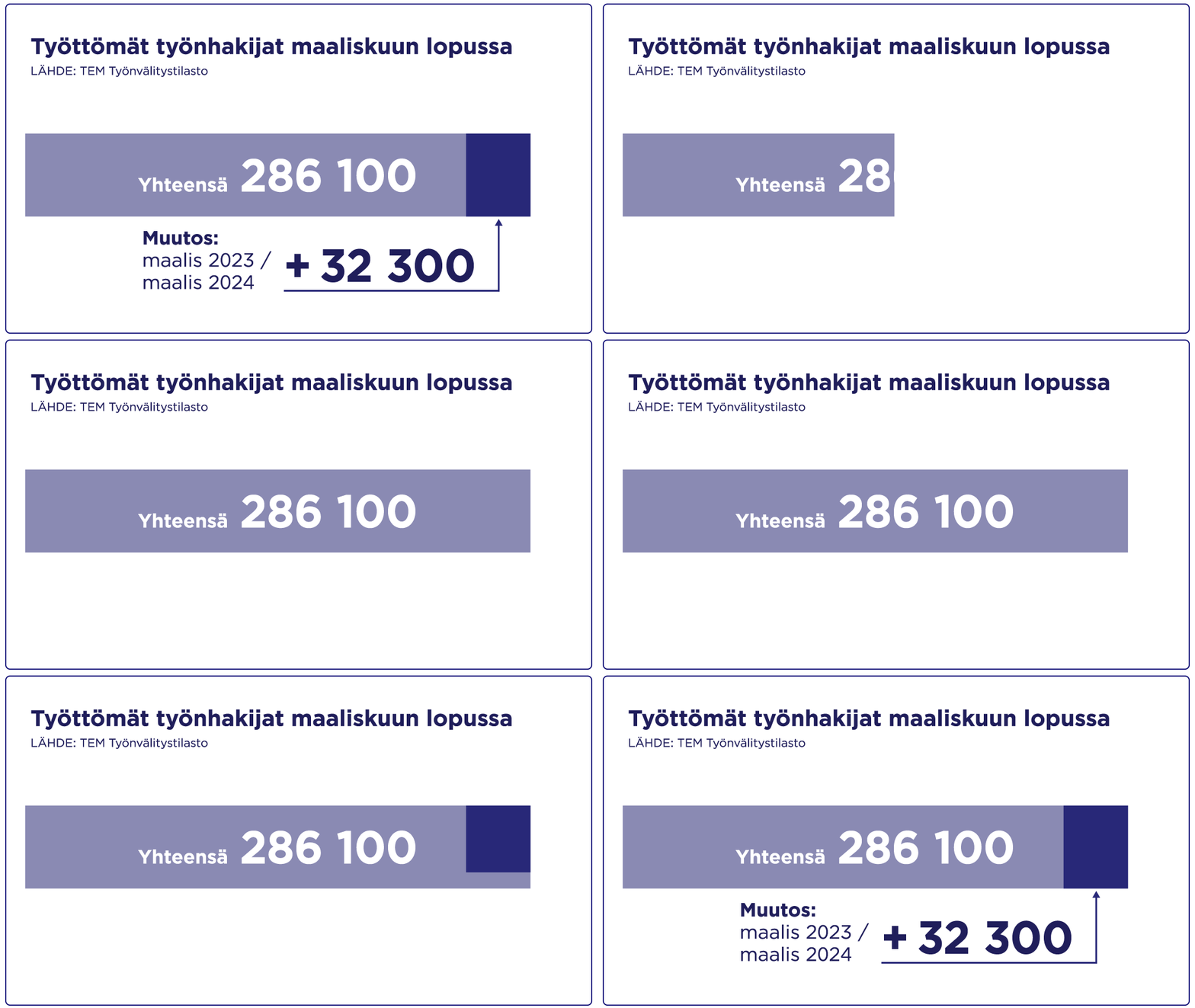
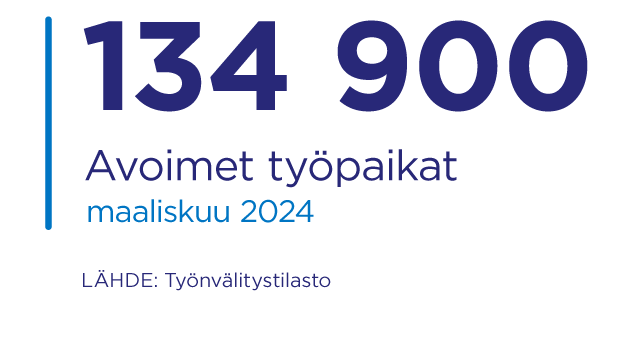
Työttömien työnhakijoiden määrä nousi 32 300 henkilöllä viime vuoden maaliskuusta. Uusia avoimia työpaikkoja ilmoitettiin 55 900. Kaikkiaan maaliskuussa oli avoinna 134 900 työpaikkaa, mikä on 68 400 vähemmän kuin vuosi sitten.
Hallitus esittää työnhaun palveluprosessin keventämistä sekä joustoa työvoimapalvelujen siirtoon kunnille

Hallitus antoi eduskunnalle 18.4.2024 esityksen, jonka tavoitteena on hallitusohjelman mukaisesti asiantuntijan harkintavallan lisääminen työnhakijan palveluprosessissa. Lisäksi hallitus esittää sujuvoittavia muutoksia liittyen kunnille siirtyvien työvoimapalveluiden järjestämiseen.
Työolobarometri 2023: tukea jatkuvaan oppimiseen tarvittaisiin työpaikoilla enemmän
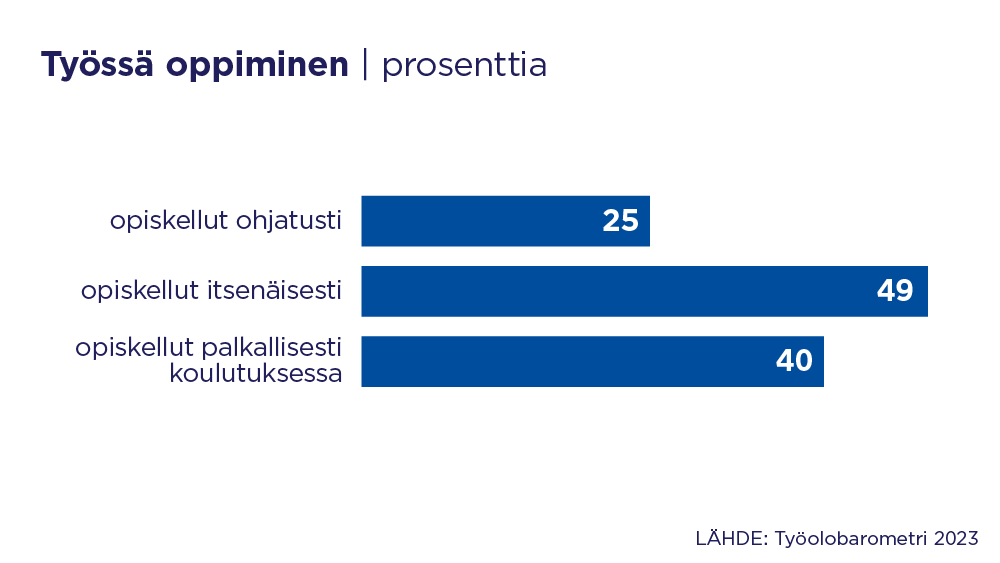
Työolobarometrin mukaan vuonna 2023 lähes kolme neljännestä työntekijöistä piti hyvinä mahdollisuuksiaan sovittaa yhteen työ ja muu elämä. Sen sijaan osaamisen kehittämisessä on työpaikoilla paljon parannettavaa.

TE-palvelut 2024 -uudistus

TE-palvelujen järjestämisvastuu siirtyy kunnille 1.1.2025. Tavoitteena on palvelurakenne, joka edistää parhaalla mahdollisella tavalla työntekijöiden nopeaa työllistymistä.
TE-palvelut 2024 -uudistuksen verkkosivut
Yritystukien tietopalvelu


Yritystukien julkinen tietopalvelu sisältää tiedot myönnetyistä ja maksetuista tuista y-tunnuksittain. Tarkoituksena on tehostaa yritystukien läpinäkyvyyttä ja seurantaa sekä antaa tietoa tukien kohdentumisesta ja kehittymisestä.
Suomen kestävän kasvun ohjelma


Suomen kestävän kasvun ohjelma vauhdittaa kilpailukykyä, investointeja, osaamistason nostoa sekä tutkimusta, kehitystä ja innovaatioita. Sivuillemme on koottu tietoa TEM:n hallinnonalan rahoituskohteista mm. yrityksille suunnatuista hauista.
 Kotoutuminen.fi
Kotoutuminen.fi-verkkopalvelu kertoo kotoutumisesta ja pakolaisten vastaanotosta erityisesti työssään maahanmuuttaneita kohtaaville.
 Yt-asiamies.fi
Yt-asiamies.fi –sivustolla on kattava tietopaketti yhteistoiminnasta työpaikoilla sekä yhteistoiminta-asiamiehen toiminnasta.
 Rakennerahastot.fi
Rakennerahastot.fi on EU:n alue- ja rakennepolitiikan ohjelmien verkkopalvelu.
 SpaceFinland.fi
SpaceFinland.fi-verkkosivusto esittelee suomalaisia avaruusalan yrityksiä ja tutkimusta sekä Suomen avaruushallintoa.
 Kirjanpitolautakunta
Kirjanpitolautakunta.fi-sivustolta löydät työ- ja elinkeinoministeriön yhteydessä toimivan kirjanpitolautakunnan yleisohjeita ja lausuntoja.
 TalentBoost.fi
Talent Boost -ohjelma edistää kansainvälisten osaajien houkuttelua, maahanmuuttoa ja Suomeen juurtumista. Sivusto on suunnattu kaikille osaajien maahanmuuton parissa työskenteleville ympäri Suomen.





Arto Satonen
Työministeri
Wille Rydman
Elinkeinoministeri
Kai Mykkänen
Ympäristö- ja ilmastoministeri
Mari Rantanen
Sisäministeri